Sell My House Fast For Cash!
Get Matched With Local Cash Home Buyers
Get a cash offer with NO REALTOR FEES attached
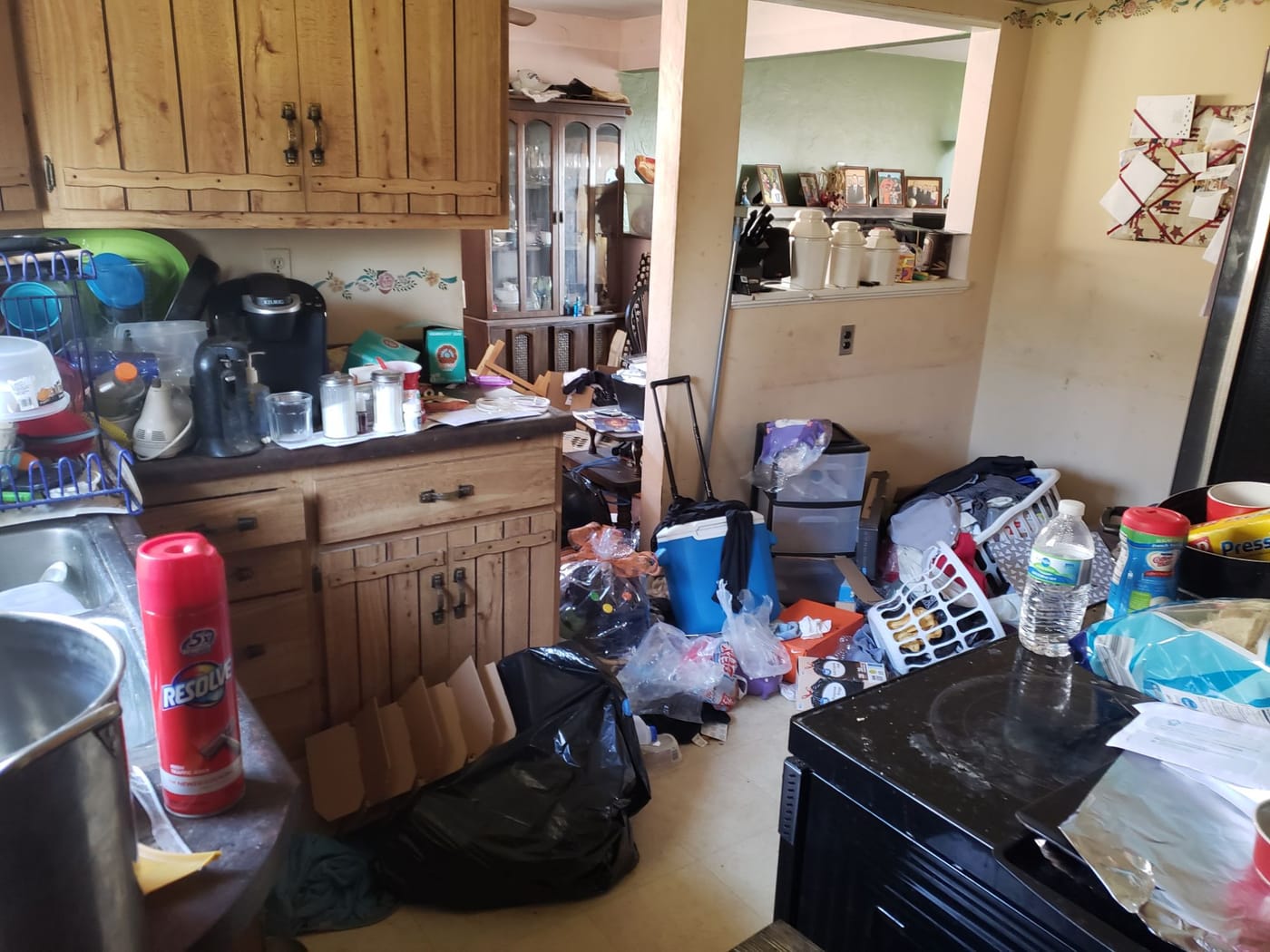
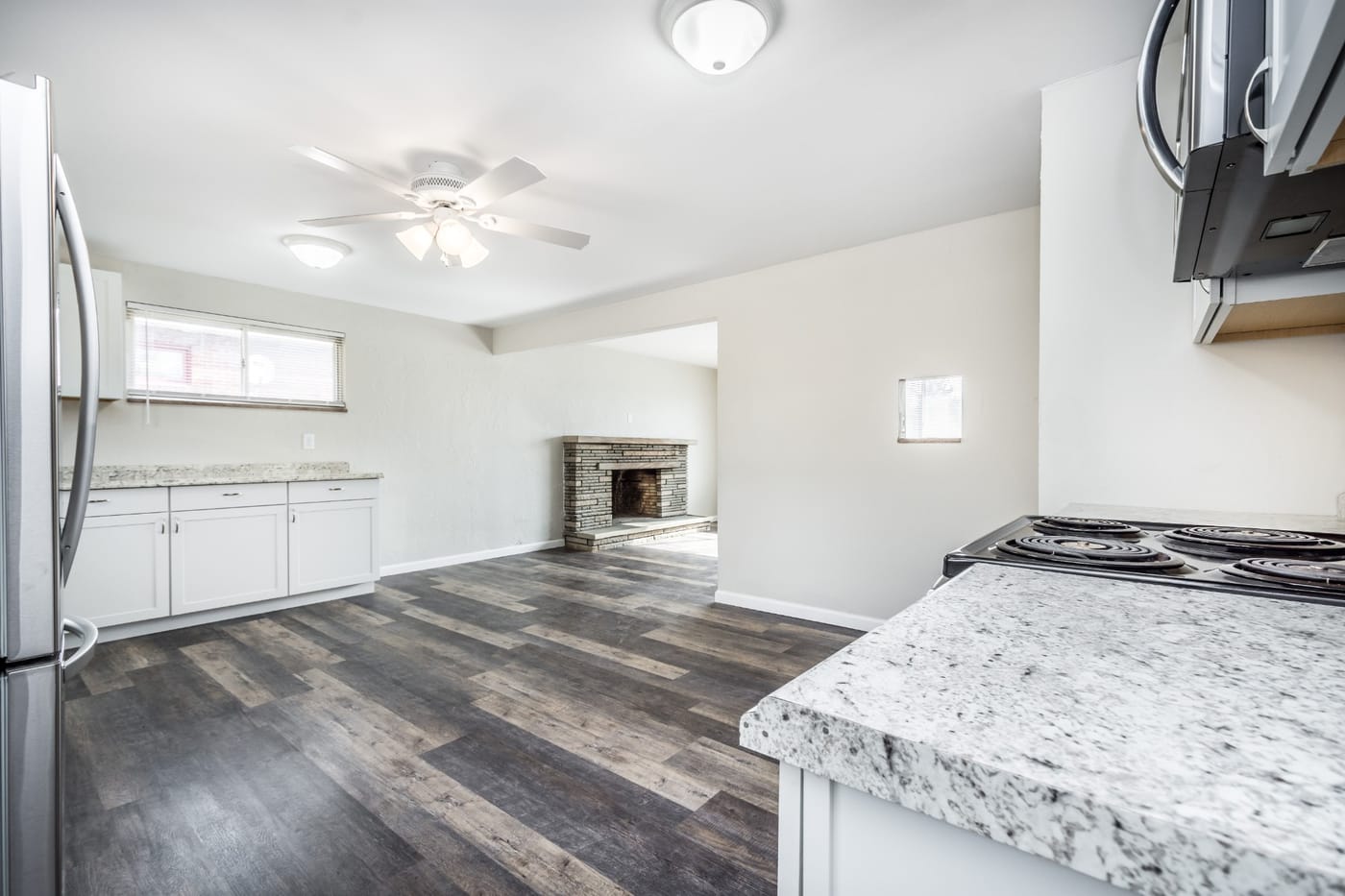
A real seller's kitchen. They cleaned nothing and fixed nothing - the buyer took on all the work and cost. The seller just took the cash.
Get Your Free Cash Offer
Step 1 of 4
✓ Thank you!
We've received your details and will connect you with a local cash buyer shortly.
Whatever The Reason
We Buy Houses in Any Situation - No Judgment
Most of the homes we help sell aren't pretty, and that's the point. If any of this sounds familiar, you're in the right place.
The House Needs Work
Roof, foundation, fire damage, decades of deferred repairs - our buyers want houses exactly like this, as-is.
Money Is Tight
Behind on payments, facing foreclosure, or taxes piling up? Selling fast for cash can stop the bleeding.
Inherited or Vacant
A property you never asked for, sitting empty and costing you every month. Turn it into cash instead.
Life Is Changing
Divorce, job relocation, downsizing, health - when life moves fast, your sale should keep up.
Why HomeMatch
Why Choose Us to Sell Your House Fast?
We'll instantly help you find a cash buyer in your local area.
No Hidden Fees or Commission
Experience a transparent and straight selling process with a local cash buyer.
No Repairs Needed... Sell your House As-is
You don't have to make any repairs at all - our cash buyers buy as is!
We Can Close Fast... Or on your Timeline
Close on your terms, as fast or as slow as you prefer.
Simple On Purpose
How It Works
No listings, no showings, no repairs. Three steps from "I need to sell" to sold.
Tell Us About the House
Address plus a few quick details - 60 seconds, no photos needed, and no cleaning up first.
Get Matched With a Local Cash Buyer
We connect you with an investor who buys houses like yours in your area - usually within 24 hours.
Close on Your Timeline
Review the cash offer with zero obligation. If it works, pick the closing date that fits your life.
Beat-Up Houses Welcome
We've Helped Hundreds of Sellers - Even With Properties Like This
Peeling paint, bad roofs, decades of stuff inside - our buyers see potential, not problems. You don't fix, clean, or renovate a thing. That's the buyer's job, on the buyer's dime.
The seller cleaned nothing and fixed nothing. The house sold exactly like this - for cash, in days.
Making it look like this took the buyer months of work and money. The seller skipped every bit of it and walked away with cash.
How Can I Sell My House Fast - A Simple Solution
Homematch simplifies property selling like never before. No need to worry about repairs, cleaning or agent fees. We connect you with cash home buyers who buy houses in as-is condition, delivering you a smooth and effortless selling journey. Discover the simplicity of selling your house with HomeMatch today.
Our HomeMatch Promise
We'll match you with cash buyers that we trust to help you sell your house quickly. When you have questions or concerns our buyers will take time to answer. Your needs come first, you have our word on that. If you don't like the buyer let us know.
Nationwide Coverage
We Connect Cash Buyers Across the Country
Find local cash home buyers in your state. Our buyer network helps homeowners sell fast nationwide.
- Alabama
- Alaska
- Arizona
- Arkansas
- California
- Colorado
- Connecticut
- Delaware
- District Of Columbia
- Florida
- Georgia
- Idaho
- Illinois
- Indiana
- Iowa
- Kansas
- Kentucky
- Louisiana
- Maryland
- Massachusetts
- Michigan
- Minnesota
- Missouri
- Nebraska
- Nevada
- New Jersey
- New Mexico
- New York
- North Carolina
- Ohio
- Oklahoma
- Oregon
- Pennsylvania
- Tennessee
- Texas
- Utah
- Virginia
- Washington
- Wisconsin
- Wyoming
Real Sellers, Real Experiences
What Home Sellers Say About Us
They provided a fair and quick offer. They were very pleasant to work with.
The process was simple and stress free. Everything was handled and went smoothly.
I am truly grateful for the experience. I enjoy the transparency; I enjoy the communication. … I'm truly grateful that we're blessed to be a blessing and open a new chapter in our lives.
Ready to sell your house fast?
Effortlessly connect with local cash buyers with Homematch. Click the button below to get started.